Founded in 2016, Locsense develops non-invasive sensors like the Artemis to monitor cell health, offering a cruelty-free alternative to animal testing. Its technology measures cell barrier strength, crucial for drug testing, disease research, and understanding body defenses. Locsense devices integrate seamlessly with existing workflows and advanced in-vitro platforms like organ-on-chip and microfluidic chips.
Locsense will be attending The European Respiratory Society Congress (ERS), which will be held in Vienna, on September 7 - 11, 2024. For more information, click here. Stop by the Locsense booth to meet our experts and watch live demos. We look forward to seeing you in Vienna.
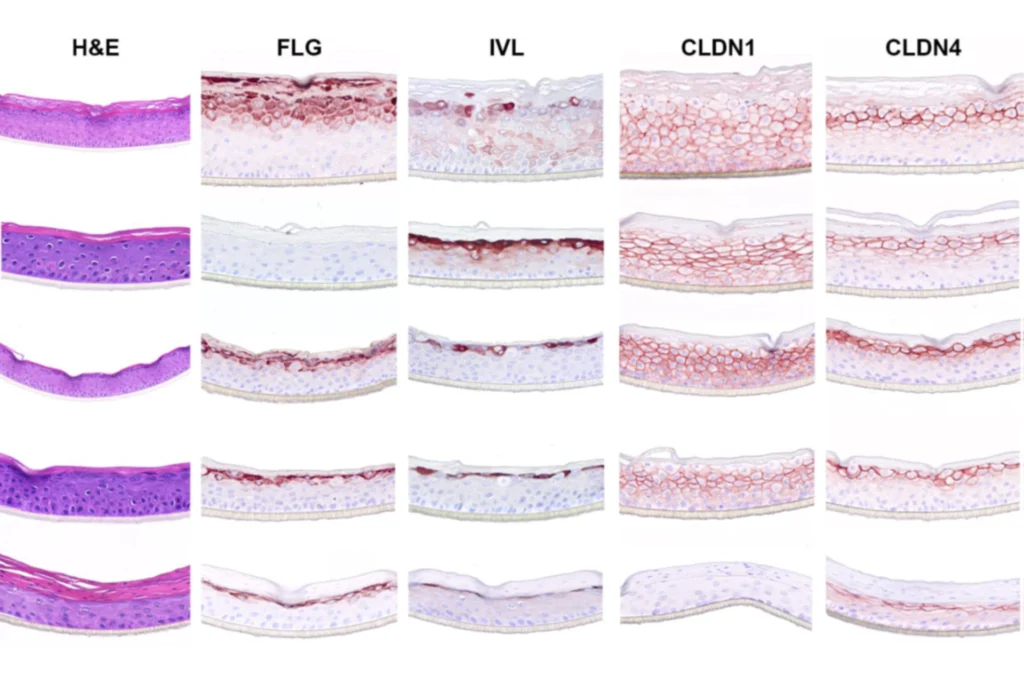
Researchers from the Radboudumc and Locsense developed an approach to measure how genetic variants, inflammatory mediators, and drug candidates affect skin barrier development and function. The article is now in press in the Journal of Investigative Dermatology. The quantitative and longitudinal analysis of epidermal differentiation and skin barrier function in skin organotypic models was monitored.…
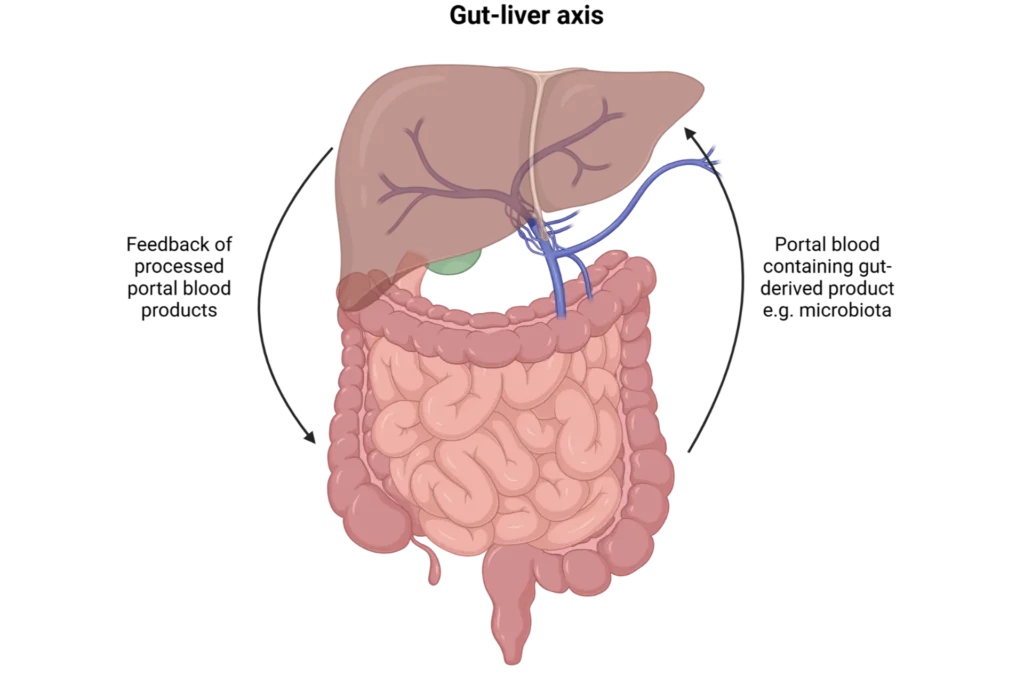
Upcoming Webinar: “Does all disease begin in the gut? Monitoring the barrier function of an in vitro gut mimic” Join us on May 23rd for an insightful session presented by Eline Geervliet, Application Scientist at Locsense B.V.. The event will be hosted and accommodated by Brian Shapiro, Marketing Segment Manager at ATCC, and will feature data insights from Lena Koch, PhD candidate…
Locsense will be exhibiting at the 22nd International Congress of the European Society of Toxicology In Vitro (ESTIV 2024). The congress will take place in the historic and picturesque city of Prague from June 3rd to 6th, 202412. Booth Number: 10 Why Visit Our Booth? For more information about the congress, visit the ESTIV 2024…
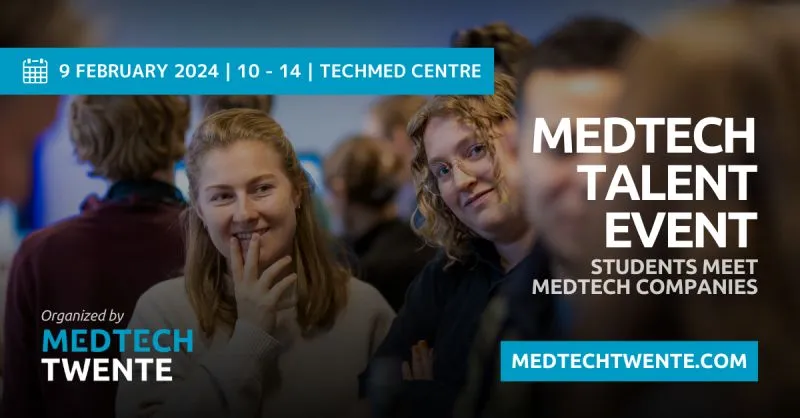
Locsense is delighted to announce its participation in the upcoming MedTech Talent Event. This event, hosted by the TechMed Centre at the University of Twente, promises to be a dynamic platform for students to connect with industry frontrunners and explore exciting career opportunities.
Kick off NXTGEN HIGHTECH The NXTGEN HIGHTECH biomedical 3 project has officially kicked off with a workshop on Competences, Needs and Gaps in Fabrication for Biomedical Devices on the 4th of october 2023 the Upark hotel in Enschede. The project will shape the future on manufacturing of biomedical products in the Netherlands. Within the Netherlands…
Locsense exhibitor at the SOT ToxExpo in Salt Lake City Locsense will exhibit at the 70th SOT Annual meeting and ToxExpo in Salt Lake City, Utah which will be held from the 10-14th of March 2024. The Society of Toxicology promotes the acquisition and utilization of knowledge in toxicology and aids in the protection of…
Innovative skin sensing for drug and cosmetic compounds testing Locsense, StratiCELL and the Radboudumc are proud to announce Eurostars funding supporting the development of a breakthrough Epithelial Sensing solution that accurately measures the barrier function of new in-vitro skin constructs, closely resembling the in-vivo situation. The platform assesses skin barrier function in a non-intrusive manner…
Skin barrier assessment at the E2BRN conference Felicitas Pardow and Jos P.H. Smits from the Radboudumc will present their findings on how impedance spectroscopy provides insight in epidermis formation and skin barrier function in vitro in Edinburgh. Locsense is proud sponsor of the E2BRN (the Epidermal Barrier Research Network) conference on the 28th and 29th …
Animal testing has long been a fundamental aspect in biomedical research, toxicology studies, and drug development. However, ethical concerns and scientific limitations have driven the development of alternative methods that align with the principles of the 3R’s: replacement, reduction, and refinement. In vitro testing has emerged as one of the most promising approaches to achieving…
The development of a highly representative in vitro gut-liver model is essential for improving drug testing accuracy while minimizing the reliance on animal studies. Traditional animal models often fail to fully replicate human physiology, leading to discrepancies in drug metabolism and toxicity predictions.1 A physiologically relevant gut-liver system would provide a more accurate platform to…
Allergic asthma is characterized by sensitization to airborneallergens like house dust mite (HDM). Human milk oligosaccharides (HMOS) are linked to improved immune maturation and potentially alleviate allergy development. Here, we describe an in vitro human airway mucosal HDM sensitization model as relevant tool to reduce use of animals in studies aiming to prevent HDM allergic…
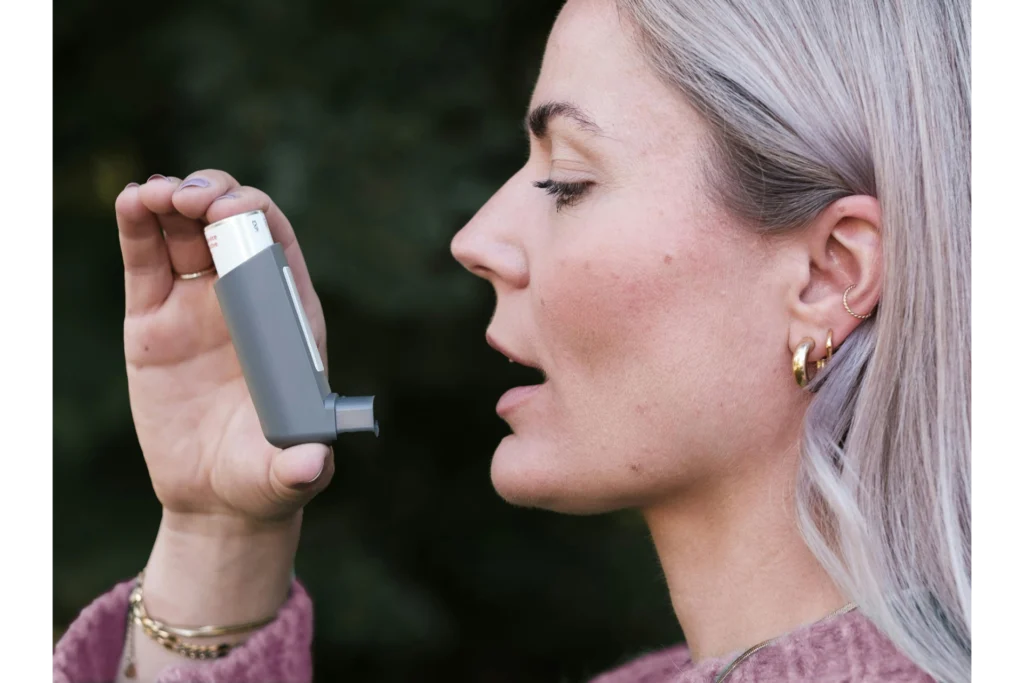
Chronic pulmonary diseases are a high burden on the healthcare system and on the quality of life (QoL)of its patients. As the third leading cause of death, chronic respiratory diseases have a tremendousmortality rate [1]. Moreover, with a prevalence of 300 million people worldwide, pulmonary diseases arenot only mortal but also highly prevalent [2]. The…
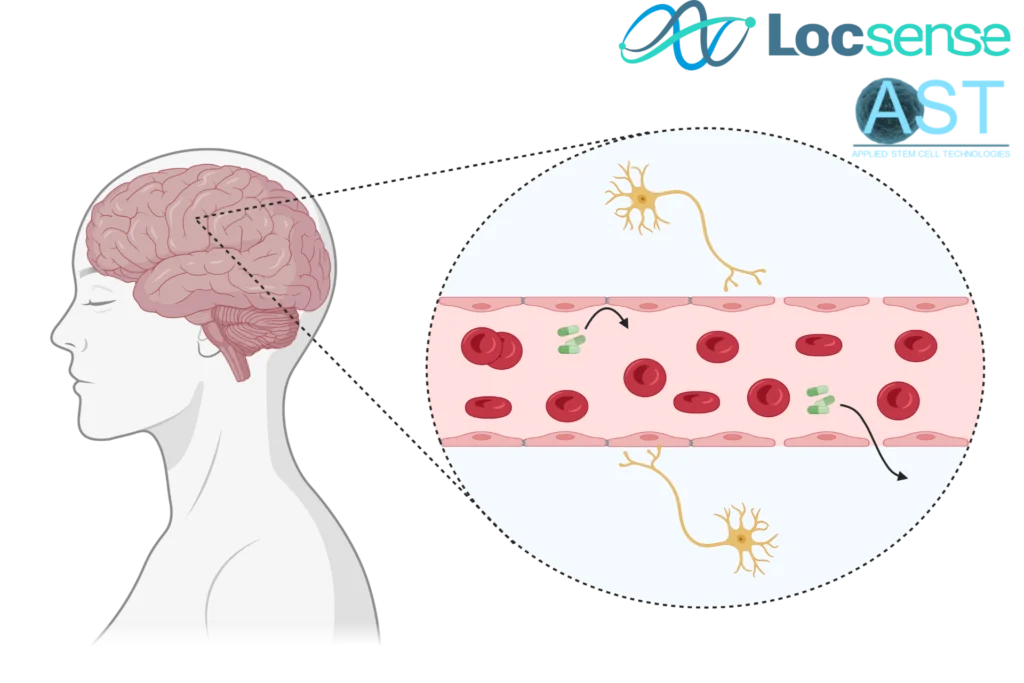
The blood-brain barrier (BBB) is a highly specialized and complex physiological structure that plays acrucial role in maintaining the homeostasis of the central nervous system (CNS) [1]. Grossly the BBBconsists of three selecve layers. (1) The endothelial cells, which impede substances to infiltratethe brain by ght juncons. (2) The basement membrane containing pericytes provides structuralsupport…
For research into skin biology, diseases, and drug or chemical interactions, organotypic 3D human epidermal equivalents (HEEs) are frequently used. Studies heavily rely on end-points analysis for which HEEs are harvested to study cellular responses. Non-intrusive methods that enable longitudinal analysis by repetitive measurements can minimize batch effects, increase study reproducibility and maximize experimental throughput.…
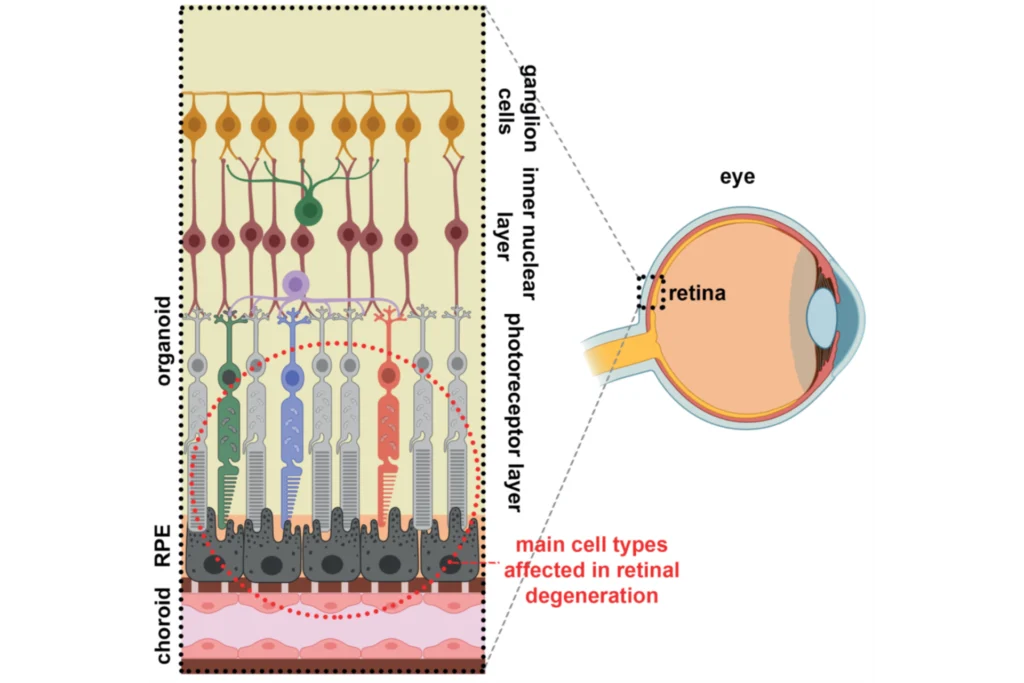
The human rena is a highly organized structure consisng of neural rena, renal pigment epithelial (RPE)cell layer, and vasculature, called the choroid (Figure 1). Current human cell models oen lack three-dimensional (3D) complexity of the human rena. Renal diseases lead to photoreceptor cell death, causing progressive blindness (1). We are invesgang two parcular renal diseases:…
For research into skin biology, diseases and drug or chemical interactions, organotypic 3D human epidermal equivalents (HEEs) are frequently used. Studies heavily rely on endpoints analysis for which HEEs are harvested to study cellular responses. Non-intrusive methods that enable longitudinal analysis by repetitive measurements can minimize batch effects, increase study reproducibility and maximize experimental throughput.…
COPD is a major global cause of mortality, but current treatmentsonly provide symptomatic relief. Limited progress in developing new therapies is attributed to the absence of reliable lung models for testing.